


REVIEWS
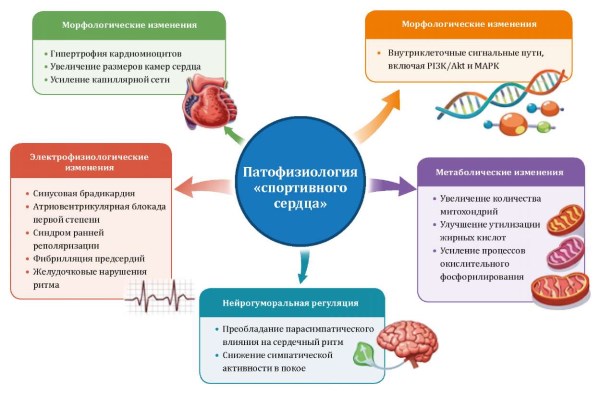
This article analyzes the physiological aspects of “athlete’s heart”, its potential risks, and current diagnostic approaches. The phenomenon of “athlete’s heart” represents a complex of morphofunctional changes in the cardiovascular system that develop in individuals who regularly engage in intense physical activity. In most cases, these changes are adaptive and physiological in nature, aimed at optimizing cardiac output and improving oxygen delivery to working muscles. However, in some situations, similar structural and electrophysiological modifications can manifest or mask underlying cardiac pathology, posing the challenge for clinical medicine to accurately differentiate between normal and risky conditions.
Postoperative neurocognitive disorders (POND) are one of the most common and clinically significant complications in the postoperative period, associated with prolonged hospitalization, decreased quality of life, and an increased risk of longterm cognitive impairment, especially among elderly patients. The current scientific paradigm rejects the simplistic notion of POND as a direct and exclusive consequence of the pharmacological effects of general anesthetics on the brain. The aim of this review is to detail the pathophysiological components of POND, presenting them as sequential stages of a single pathogenetic process. PubMed, Google Scholar, and eLIBRARY.RU were used for this literature review. This review presents an analysis of the most substantiated integrative model for the pathogenesis of these disorders, according to which prolonged exposure to general anesthesia acts as a factor reducing the functional stability and adaptive reserve of the nervous system.
ORIGINAL RESEARCH

Objective: development and evaluation of a machine learning model for predicting arterial hypertension using demographic characteristics and complete blood count parameters, and to assess the contribution of key predictors using interpretable methods. Materials and methods: we analyzed a dataset of 5,506 patients examined at the University Clinic of the Medical Research and Educational Institute of Lomonosov Moscow State University in 2021–2022 (2,256 men and 3,250 women, mean age 57.23±17.60 years). Arterial hypertension was identified in 3,697 (67%) individuals, while 1,809 (33%) formed the nonhypertensive group. Variables included sex, age, complete blood count parameters, and derived inflammatory indices (NLR, LMR, PLR). The proposed stacking model was compared with Lasso and Ridge regression, logistic regression, random forest, and gradient boosting. Model performance was assessed using the AUC. Results: AUC ranged from 0.75 to 0.77 for classic machine learning models, whereas the stacking model achieved an AUC of 0.99. The difference in AUC between the stacking model and alternative approaches was statistically significant (p<0.001), with a mean improvement of 22.9% compared with logistic regression. The leading markers were age and the erythrocyte indices RDW-SD, MCV, HGB, and MCH. Conclusion: based on internal validation, ensemble machine learning methods incorporating complete blood count parameters may improve the discriminative performance of cardiovascular risk prediction models; however, these performance estimates require confirmation through external validation in an independent cohort. Age and erythrocyte indices (RDW-SD, MCV, HGB, MCH) were the most informative predictors of arterial hypertension and may serve as accessible marker candidates for further research and improved risk stratification.
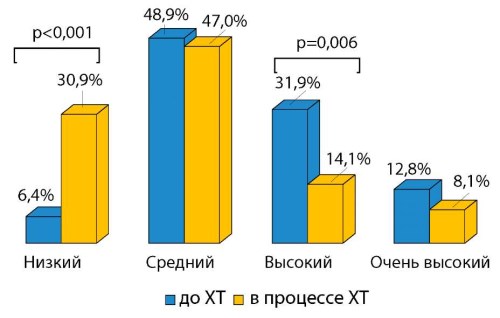
Objective: to present the cardiological status and difficulties encountered in the management of a cardio-oncological patient in real clinical practice. Materials and methods: over a two-year period, a cardiological examination was performed on 243 patients with various malignant neoplasms (MN) referred from an oncological dispensary. The following categories of patients with cancer were analyzed: before chemotherapy (CT, n=47), during CT (n=149), before radiation therapy (n=10), before surgery (n=23), and with uncertain management (n=14). Results: patients with cancer who were referred to a cardiologist for initial risk assessment had significant cardiac comorbidity. Almost 70% of patients had two or more cardiovascular diseases before CT. Patients with cancer, regardless of the chemotherapy they received, were more likely to be classified as having a moderate risk of cardiovasculotoxicity (CVT). In the study sample, more than 40% of patients experienced various manifestations of CVT during their chemotherapy. The article describes the structure of CVT manifestations, both individually and depending on the specific chemotherapy drug used. It also highlights the challenges that cardiologists may face when assessing the risk of CVT, radiation-induced cardiotoxicity, and perioperative cardiovascular risk in patients with cancer. Conclusion: at the current stage, as part of the comprehensive management of patients with malignant neoplasms, a cardiologist should have extensive knowledge of the assessment of risk and clinical manifestations of various cardiovascular complications that occur during the use of antitumor treatment. This will allow for the effective implementation of the necessary therapy and improve the prognosis of patients with malignant neoplasms.
Objective: to evaluate the dynamics of left ventricular ejection fraction (LVEF) and N-terminal pro-brain natriuretic peptide (NT-proBNP) in patients with stable coronary artery disease (CAD) before and after planned myocardial revascularization and to analyze their association with actual adherence to drug therapy. Material and methods: a cross-sectional observational study was conducted based on data from a specialized registry. The study included 300 patients with stable CAD, functional class III (CCS), aged 50–80 years, hospitalized for elective myocardial revascularization: 107 (35.7%) for coronary artery bypass grafting (CABG) and 193 (64.3%) for percutaneous coronary intervention (PCI). Adherence was assessed using the National Society for Evidence-Based Pharmacotherapy (NSEBP) scale (potential, overall actual, and actual adherence to specific drugs and drug classes). The dynamics of markers were evaluated 6 days after surgery, taking into account thresholds for significant changes: ΔLVEF >5–10%, ΔNT-proBNP >20%. The lowest actual adherence was recorded for statins (62% of patients took >80% of prescribed doses), and the highest for antiplatelet agents (86%). Results: total actual adherence moderately correlated with a decrease in NT-proBNP (ρ = 0.38; p = 0.001) but weakly with LVEF dynamics (ρ = 0.29; p = 0.018). Potential adherence showed no significant correlation (ρ = 0.09; p = 0.32). The greatest relative reduction in NT-proBNP was observed in the group with the highest baseline level (Group C – 405 pg/mL, reduction 37%), which is explained by regression to the mean. In the group with high actual adherence (Group A), the reduction in NT-proBNP was 26%. Low adherence to statins was associated with a smaller reduction in NT-proBNP (16% vs. 28%, p = 0.003). LVEF dynamics at 6 days did not differ between adherence groups (p = 0.21). Conclusion: actual adherence is associated with NT-proBNP dynamics but not with early LVEF dynamics. The lowest adherence was observed for statins, which requires additional attention. Accounting for analytical variability (thresholds for significant changes) is necessary for correct interpretation of the results.
Objective: to compare ultrasound characteristics of the left and right ventricles of the heart in patients with isolated arterial hypertension (AH) and those with a combination of hypertension and coronary artery disease (CHD). Materials and methods: the study included 98 patients, divided into three groups: group 1 — patients with hypertension (n=37), group 2 — comorbid patients with a combination of hypertension and ischemic heart disease (n=40), group 3 (control) — individuals without clinically manifested cardiovascular diseases (n=21), matched by gender and age. Echocardiographic examination was performed using the Philips Epiq 5 system with the use of M-mode, B-mode, and various Dopplerography options. A total of 54 indicators characterizing the structural and functional state of the ventricles were analyzed. Statistical data processing was carried out using the Statistica 10 program; the significance of differences was determined at p<0.05. Results: in patients with combined pathology (hypertension and ischemic heart disease), more pronounced left ventricular (LV) remodeling was observed compared to patients with isolated hypertension: the thickness of the interventricular septum and the posterior wall of the LV, the LV myocardial mass index, end-diastolic and end-systolic volumes and dimensions were statistically significantly increased; changes in the transverse diameter and length of the longitudinal axis were also noted, indicating a disruption of the ellipsoidal geometry of the LV. In the right ventricle (RV), under conditions of comorbidity, a significant enlargement of the cavity was observed, along with an increase in the area during systole and the transverse diameter during systole and diastole, elongation of the longitudinal axis, and an increase in the sphericity index, which reflected the processes of RV remodeling. The systolic function of the ventricles in both groups remained within the normal range. The parameters of left ventricular diastolic function did not differ significantly between the groups with isolated and combined pathology. At the same time, in patients with hypertension and coronary artery disease, an exacerbation of right ventricular diastolic dysfunction was detected against the background of comorbidity. Conclusion: combined cardiac pathology (AH and САD) is associated with more pronounced structural remodeling of both the left and right ventricles compared to isolated hypertension. At the same time, diastolic dysfunction of the right ventricle progresses against the background of comorbidity, while the parameters of diastolic function of the left ventricle remain comparable. The data obtained highlight the need for an extended echocardiographic assessment of the condition of both ventricles in patients with concomitant cardiovascular diseases to clarify the risk of cardiovascular complications (CVC) and optimize management strategies.
Objective: development of the most significant approach to laboratory monitoring of adverse effects of glucocorticoids in patients with ulcerative colitis (UC). Materials and methods: the study included 205 patients of both sexes, aged 18–44 years, with chronic relapsing ulcerative colitis of moderate severity. The control group consisted of 25 apparently healthy individuals matched for age and sex. Based on the extent of colonic involvement, two clinical groups were identified: Group 1 comprised 118 patients with left-sided colitis, and Group 2 comprised 87 patients with extensive (total) disease. In accordance with clinical guidelines, patients who failed to achieve remission with 5-aminosalicylic acid preparations received systemic glucocorticoids (GC) at a dosage of 1 mg/kg/day for a maximum of 12 weeks. Patients who developed steroid-dependent osteoporosis during therapy were assigned to subgroups 1A (n=23) and 2A (n=21), while those without signs of steroidinduced osteopenia were assigned to subgroups 1B (n=95) and 2B (n=66). To facilitate early diagnosis of osteoporosis in these patients, the following laboratory parameters were assessed: serum levels of total and ionized calcium, phosphorus, magnesium, bone-specific alkaline phosphatase and tartrate-resistant acid phosphatase (TRAP) activity, and concentrations of cathepsin K, sRANKL, and osteoprotegerin; urinary levels of calcium, phosphorus, hydroxyproline, and deoxypyridinoline; and cathepsin K levels in gingival fluid. Statistical analysis was performed using the Statistica 12.0 software package; differences were considered significant at p<0.05. Results: the earliest and most pronounced changes in bone resorption markers during long-term GC therapy were observed when assessing the activity of the proteolytic enzyme cathepsin K in gingival fluid and the level of the soluble ligand sRANKL in serum. A step-by-step analysis of the prognostic value of laboratory parameters for identifying ulcerative colitis patients at high risk of osteoporosis during maintenance steroid therapy established the following as significant predictors: baseline blood TNF-α concentration, cathepsin K content in gingival fluid, and serum sRANKL levels following the completion of the first course of steroids. Conclusions: to monitor the resorptive side effects of systemic glucocorticoid therapy in patients with ulcerative colitis, it is advisable to measure cathepsin K activity in gingival fluid using an enzyme immunoassay. A non-invasive method for assessing steroid-induced osteoporosis based on measuring cathepsin K concentration in gingival fluid has been proposed.
Objective: to characterize the treatment features and the structure of IBD complications in patients of the gastroenterology department of a multidisciplinary hospital. Materials and methods: a retrospective analysis of 287 medical records of patients (223 with ulcerative colitis (UC), 64 with Crohn’s disease (CD)) who underwent inpatient treatment in the gastroenterology department of the Regional Clinical Hospital No. 2 in 2024–2025 was carried out. Results: the structure of IBD was dominated by UC (77.7%). The dominance of severe forms was noted: pancolitis in UC (84%), a stricturing/penetrating phenotype in CD (73%). Complications were recorded in the majority of patients: extra-intestinal manifestations were detected in 41.5% of patients, strictures in CD in 65.6% of patients, C. difficile-associated infection in 10.8% of the examined. A high frequency of therapy ineffectiveness was revealed: steroid resistance/dependence (11.1%), thiopurine intolerance (7.3%), secondary resistance to biological therapy (22.2% of those receiving GIBT). Conclusions: the analysis confirmed the trend towards severe and complicated IBD in the inpatient cohort, which requires early appointment and optimization of biological therapy using therapeutic drug monitoring, as well as a multidisciplinary approach to managing complications.
Objective: to study the features of the structure of the bacterial and fungal communities in the colon in patients with ulcerative colitis (UC) during the relapse and remission phases, and to identify taxonomic groups that have reliable associations with the clinical and endoscopic activity of the disease. Materials and methods: the study included 86 patients with UC in the relapse phase – the initial clinical cohort, and a subgroup of 42 patients from the initial cohort who achieved disease remission. The taxonomic profile of the colonic microbiota was determined during the relapse and remission phases of UC using 16S and 18S rRNA gene sequencing of stool samples, and the relationships between the composition of the bacterial and fungal microbiota and clinical, laboratory, and endoscopic indicators of UC activity were assessed. Results: intergroup taxonomic analysis revealed differences in the structure of the bacterial microbiota of the colon depending on the phase of UC. The relapse phase was characterized by the predominance of a number of conditionally pathogenic and opportunistic bacteria, whereas in the remission phase, an increase in the proportion of SCFA producers and symbiotic microorganisms was more frequently detected. Predominantly direct correlations with the studied indicators were established for conditionally pathogenic and opportunistic samples, such as Actinomyces spp., Corynebacterium spp., Enterococcus spp., Enterobacter spp., Bradyrhizobium and Escherichia/Shigella, whereas inverse correlations were found for SCFA‑producing and “anti‑inflammatory” microorganisms, such as Alistipes spp., Bifidobacterium spp., Lachnospiraceae NK4A136 group and Ruminococcus bicirculans. The fungal taxa Saccharomyces, Malassezia and Cryptococcus vishniacii demonstrated inverse associations with certain indicators. Conclusions: the correlation analysis revealed statistically significant associations between the relative abundance of individual bacterial and fungal taxa and clinical and endoscopic indicators. According to the obtained results individual components of the microbiota can be considered as potential markers of disease activity.
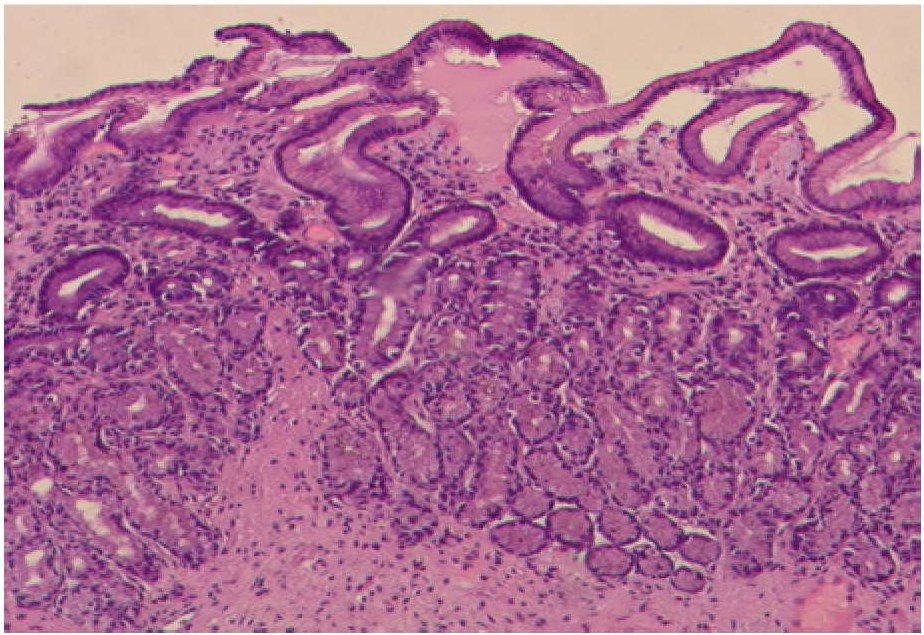
The OLGA (Operative Link on Gastritis Assessment) gastric cancer risk stratification system has become widely used. This classification is based on the morphological characteristics of gastric biopsies obtained using the traditional method within the updated Sydney system. Along with OLGA, the Kimura-Takemoto endoscopic classification of atrophic gastritis, which relies on the topographic principle of assessing atrophy of the antral and corpus mucosa, is widely used. The authors of this study developed an updated OLGA classification, which represents an integrated gastric cancer risk assessment system that combines the advantages of both classifications. Furthermore, assessing cumulative risk using the updated OLGA classification will improve the effectiveness of gastric cancer preventive measures.
CLINICAL CASES
This article presents two clinical cases of scleroderma diagnosed in a 24-year-old man and a 74-year-old woman. Differences in the onset and course of the disease depending on gender and age are discussed. Scleroderma-like syndromes are presented. The characteristics of scleroderma as a paraneoplastic syndrome in patients with cancer are discussed.
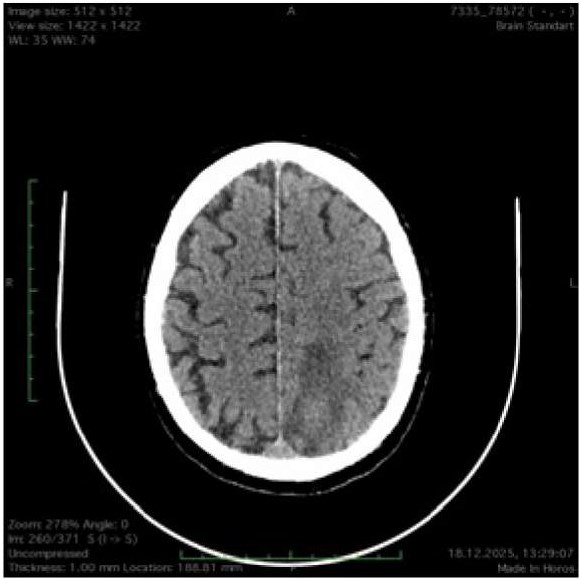
In patients with liver cirrhosis, impaired consciousness, behavior and coordination are often initially attributed to hepatic encephalopathy. However, a new focal neurological deficit requires urgent exclusion of acute stroke because the diagnostic pathway and management differ fundamentally. We report a 52-year-old patient with HCV-related liver cirrhosis, portal hypertension and recurrent hepatic encephalopathy. After an episode of loss of consciousness and elevated blood pressure, In patients with liver cirrhosis, impaired consciousness, behavior and coordination are often initially attributed to hepatic encephalopathy. However, a new focal neurological deficit requires urgent exclusion of acute stroke because the diagnostic pathway and management differ fundamentally. We report a 52-year-old patient with HCV-related liver cirrhosis, portal hypertension and recurrent hepatic encephalopathy. After an episode of loss of consciousness and elevated blood pressure,the patient had persistent disorientation, impaired coordination, right homonymous hemianopia, mild sensorimotor aphasia and reduced superficial sensation on the right. Because of focal neurological symptoms, the gastroenterologist referred the patient for urgent neurological assessment and neuroimaging. Brain CT revealed a parenchymal hemorrhage in the left temporoparietal region; CT angiography showed no aneurysm or arteriovenous malformation. The patient was admitted to a stroke unit. Neurosurgical intervention was not indicated due to hematoma location, absence of mass effect and absence of pathological vessels on angiography. The practical value of this case lies in an algorithm for early recognition of neurological red flags in cirrhotic patients during gastroenterological assessment. Any new focal neurological deficit in a patient with liver cirrhosis should be treated as a potential stroke and should prompt urgent neuroimaging while hepatic encephalopathy is assessed and treated in parallel.

This article presents a clinical case of granulomatosis with polyangiitis (ANCA-associated vasculitis) in a 66-year-old patient, a long-term smoker, with an initial diagnosis of bilateral polysegmental pneumonia with lung tissue destruction. The lack of response to multicomponent antibacterial therapy, the appearance of extrapulmonary manifestations (hemorrhagic rash, arthralgia, hearing loss, glomerulonephritis), and the detection of high titers of antibodies to neutrophil cytoplasm (ANCA) and proteinase-3 allowed for verification of the diagnosis. The diagnosis was confirmed by a multidisciplinary consultation. Timely administration of glucocorticosteroids and cyclophosphamide resulted in clinical and laboratory remission. The need for alertness for systemic vasculitis in patients with protracted destructive pneumonia resistant to antibiotics is emphasized.

ISSN 3033-8344 (Online)


